Row Houses – Features, Advantages, Types, Design & Price Trends

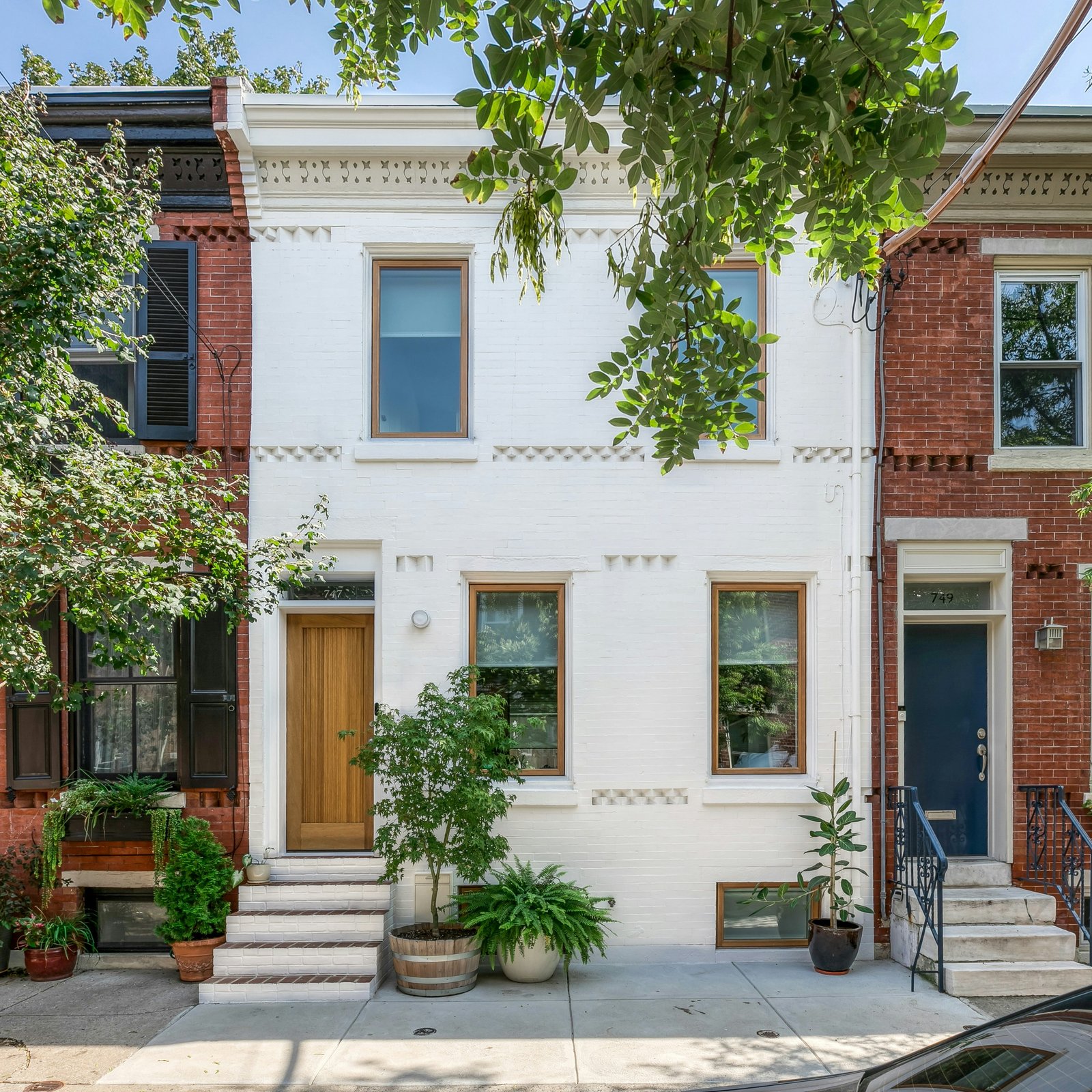
Definition of a Row House
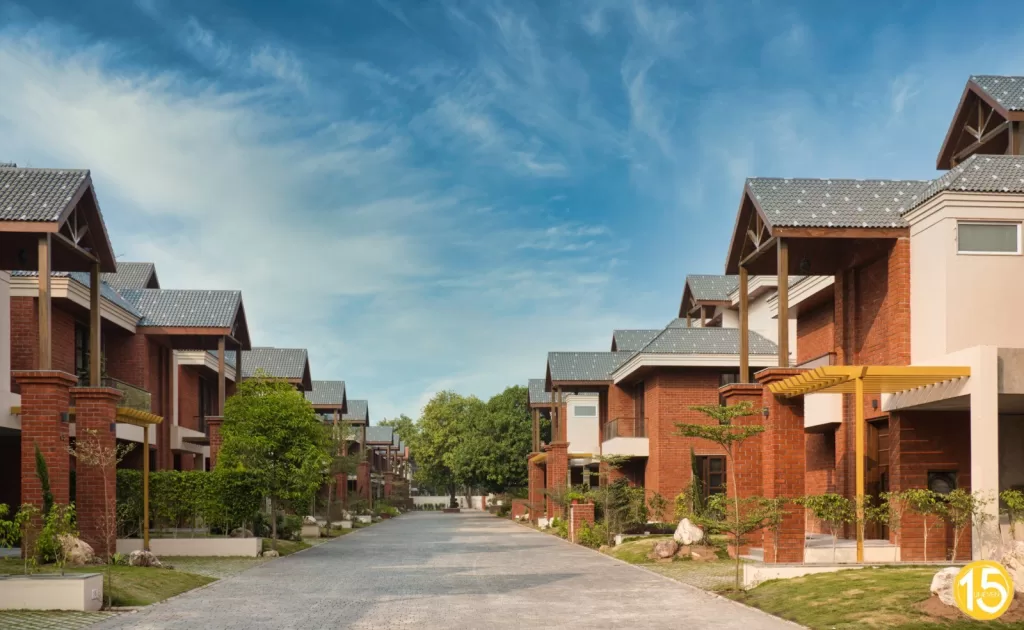
A row house is a type of residential property characterized by a series of houses constructed in a linear arrangement, each sharing side walls with its neighboring units. This architectural style allows for individual ownership while maintaining a cohesive appearance. Each row house typically features:
- A private entrance
- Distinct ownership for each unit
- A similar architectural design across the row
In essence, the term “row house” denotes a collection of homes built side by side, merging the independence often found in villas with the cost-effectiveness associated with apartment living.
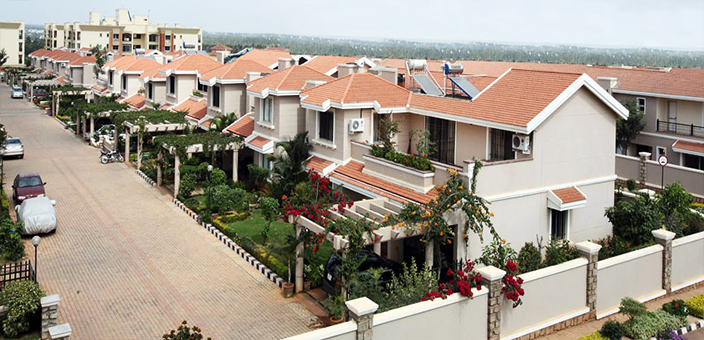
Key Characteristics of a Row House
- Common Side Walls: Adjacent units share walls, maximizing space efficiency.
- Uniform Elevation: The exterior design is typically consistent among the units, creating an aesthetic harmony.
- Low-Rise Structure: Row houses usually have one or two stories (Ground + 1 or Ground + 2).
- Private Parking: Many row house developments provide designated parking spaces for residents.
- Planned Community Living: These homes are often part of a larger planned community, offering shared amenities and a sense of neighborhood.
The Origins and Development of Row Houses
Row houses first emerged in Europe during the 17th century, with notable examples found in England, the Netherlands, and France. These structures were specifically designed to optimize limited land availability, maintain architectural symmetry, and accommodate the needs of growing urban populations.

Row Houses in India
In India, the popularity of row houses gained traction during the period of British colonial town planning and continued to expand with the real estate boom post-1990s. The rise of gated communities has further facilitated the development of row houses in urban areas. Today, cities such as Gurgaon, Bangalore, Pune, Hyderabad, Chennai, and Ahmedabad are well-known for their extensive row house projects.
What is the Difference Between a Row House and a Villa?
| Aspect | Row House | Villa |
|---|---|---|
| Side Walls | Shared | Independent |
| Cost | Moderate | High |
| Plot Size | Limited | Large |
| Maintenance | Lower | Higher |
| Community | Strong | Isolated |
Difference between row house and villa
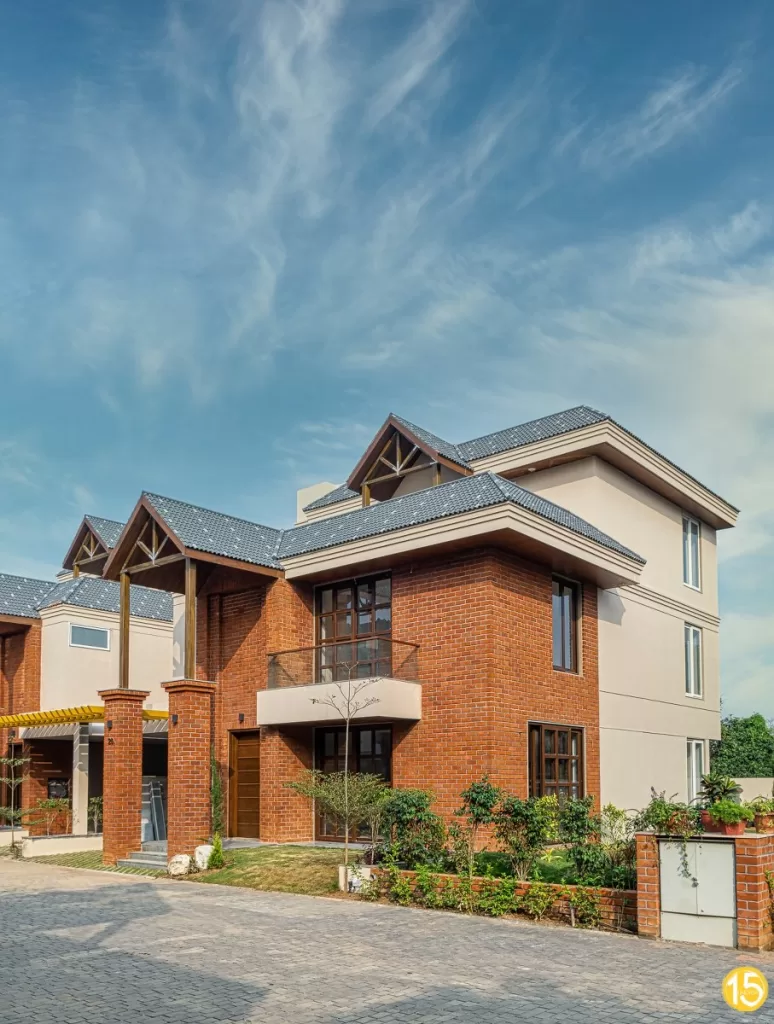
When comparing row houses and villas, it’s important to note the key differences between the two. A villa typically offers a higher level of independence, often accompanied by more spacious living conditions and luxurious amenities, but this comes at a premium price. On the other hand, a row house provides many of the same benefits, such as a sense of community and private living spaces, but is generally available at a more affordable cost. This distinction makes row houses an attractive option for those seeking budget-friendly housing without sacrificing comfort.
What is the Difference Between a Row House and a Townhouse?
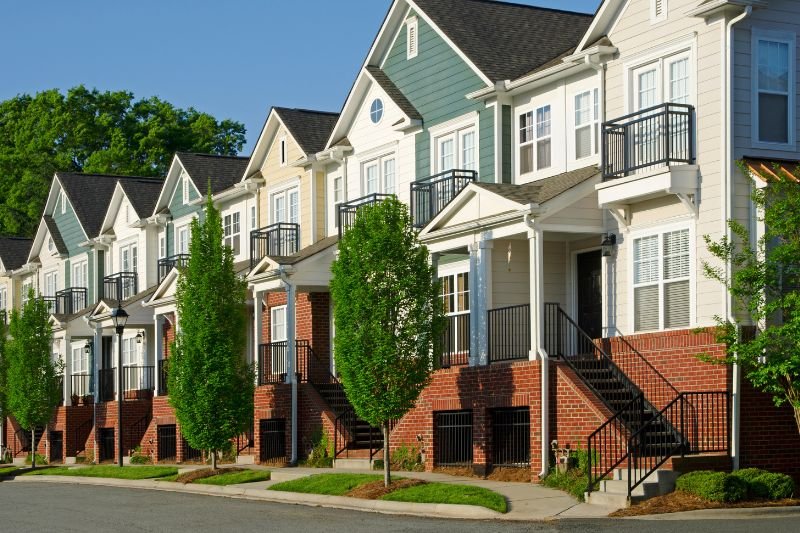
A townhouse is often confused with a row house, but there are subtle differences.

| Feature | Row House | Townhouse |
|---|---|---|
| Ownership | Individual | Often HOA-controlled |
| Design Freedom | Moderate | Limited |
| Indian Usage | Common | Less common |
In India, the term row house is more widely used, while townhouse is a Western concept.
What Distinguishes Row Houses from Other Types of Homes?
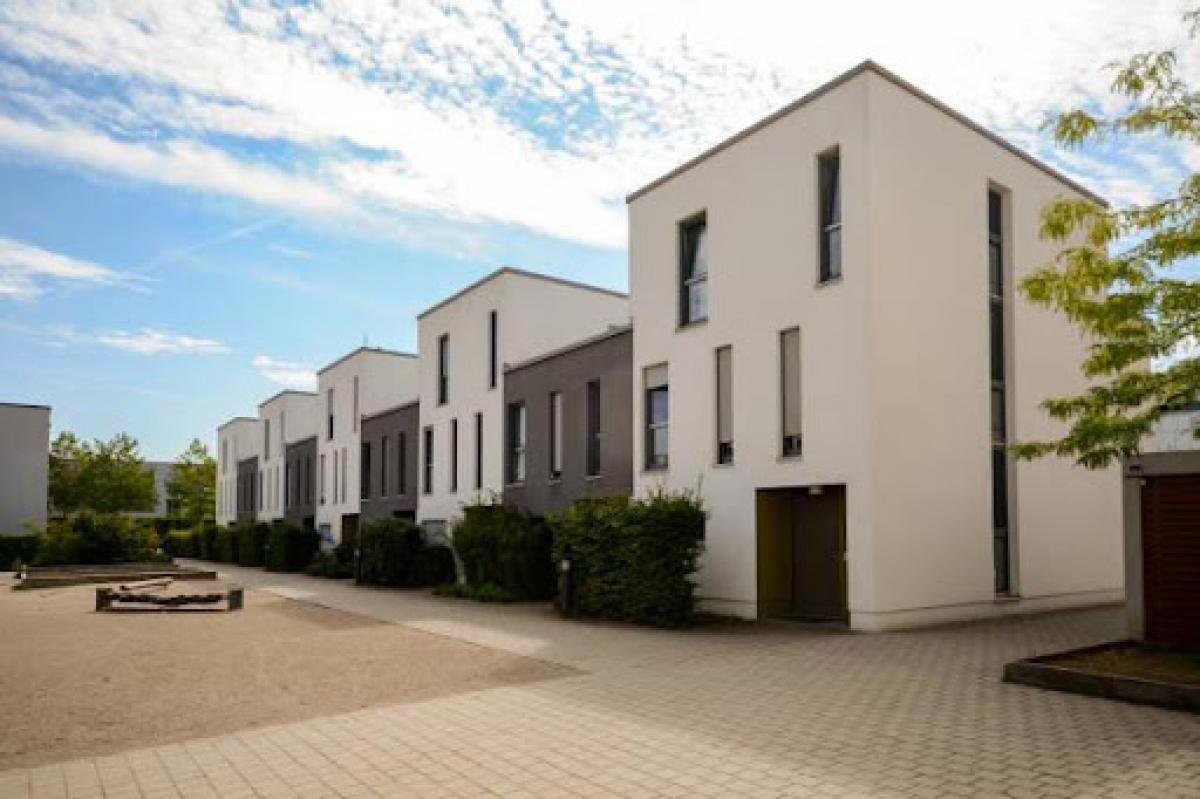
Row houses stand apart due to:
- Lower density than apartments
- Better privacy
- Affordable independent living
- Planned layouts
- High resale appeal
They strike a perfect balance between luxury and practicality.
Advantages of Row Houses
- Independent Living at Lower Cost: Row houses often provide a more affordable option for homeownership compared to traditional single-family homes, allowing for greater financial flexibility.
- Better Ventilation and Natural Light: The design of row houses typically allows for improved airflow and abundant natural light, creating a more comfortable living environment.
- Private Parking and Entrance: Many row houses come with designated parking spaces and private entrances, offering residents convenience and a sense of ownership.
- Community Security: Living in a row house often means being part of a close-knit community, which can enhance security and foster a sense of belonging among neighbors.
- Higher Appreciation than Apartments: Row houses generally experience better long-term appreciation in value compared to apartments, making them a wise investment choice.
- Customization Flexibility: Homeowners in row houses often have the opportunity to customize their living spaces to suit their personal tastes and needs.
- Ideal for Families: With ample space and community amenities, row houses can be a perfect fit for families seeking a supportive environment for their children.
Disadvantages of Row House
While row house architecture offers a unique living experience, there are several disadvantages to keep in mind:
- Sound Insulation: The shared walls can lead to reduced sound insulation, which may result in noise from neighboring units being more noticeable.
- Exterior Customization: Owners often face limitations in customizing the external appearance of their homes, adhering to design guidelines set by the community or homeowners’ association.
- Smaller Plot Size: Compared to villas, row houses typically occupy a smaller plot, which can limit outdoor space for gardening or recreational activities.
- Maintenance Guidelines: Residents may have to follow specific maintenance rules set by the society, which can restrict personal choice in property upkeep.
- Cost Considerations: Although row houses often offer a more affordable alternative to single-family homes, they can still be more expensive than flats in certain markets, reflecting their unique advantages.
Despite these drawbacks, many find that the benefits of row house living can often outweigh the disadvantages, making it a popular choice for urban dwellers.
Types of Row House Designs
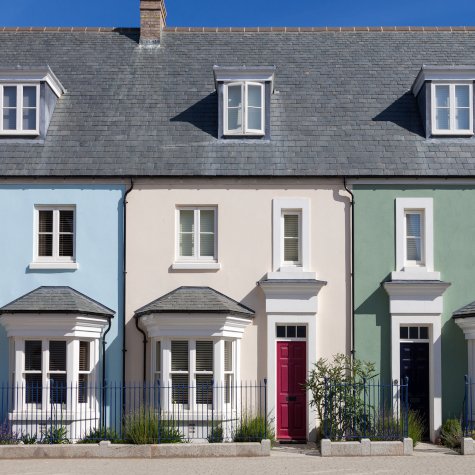
1. Traditional Row House Design
This design features a symmetrical layout and practical interiors, embodying a timeless appeal that has remained popular over the years.
2. Modern Row House Design
Characterized by a minimalist elevation and large windows, modern row houses prioritize smart layouts that promote efficient use of space while enhancing natural light.
3. Single Row House Design
This design encompasses a linear structure that is both cost-effective and efficient in land usage, making it a practical choice for budget-conscious buyers.
4. Duplex Row House Design
A G+1 layout distinguishes this design, offering clear space segregation that is particularly family-friendly, allowing for distinct areas for different activities.
5. Luxury Row House Design
Luxury row houses often come with private lawns and high-end finishes, as well as access to exclusive amenities like clubhouses, catering to those seeking upscale living.
6. Compact Row House Plan
Ideal for first-time buyers, this budget-friendly design focuses on smart space optimization, maximizing functionality within a smaller footprint.
Key Considerations for Investing in a Row House
When contemplating an investment in a row house, it’s crucial to keep certain factors in mind to ensure a sound decision. Here’s a comprehensive checklist to guide you:
- Location and Future Infrastructure: Assess the neighborhood’s current amenities and potential for future development. Proximity to schools, hospitals, parks, and public transport can significantly influence your investment’s value.
- Builder Reputation: Research the builder’s history and reputation in the market. Look for reviews and past project evaluations to ensure you are investing in a quality property.
- Clear Land Title: Verify the land title for any disputes or legal issues. A clear title is essential to avoid future complications.
- Maintenance Charges: Understand the regular maintenance fees associated with the property. These costs should fit within your budget and be reasonable compared to the services provided.
- Parking Availability: Consider whether adequate parking is available, especially in urban areas where parking can be a challenge. This feature can significantly enhance the appeal of your investment.
- Expansion Permissions: Check if the property offers options for future expansion or modifications. Having this flexibility can be beneficial should your needs change.
- Rental Demand: Evaluate the rental market in the area. A property with high rental demand can offer a steady income stream, making it a more attractive investment.
By keeping these factors in mind, you’ll be better equipped to make informed decisions when investing in a row house.




 2 BHK
2 BHK 3 BHK
3 BHK 4 BHK
4 BHK Penthouse
 Villas
 Studio
 Affordable
 SCO
SCO Shops
Shops Office Space
 Warehouse
 Industrial
 Farmhouses
 Residential Plots
 Commercial Plots